Expedition of the National Museum of Natural History, Sofia to Europe’s first cave to reach a depth of 1000 metres
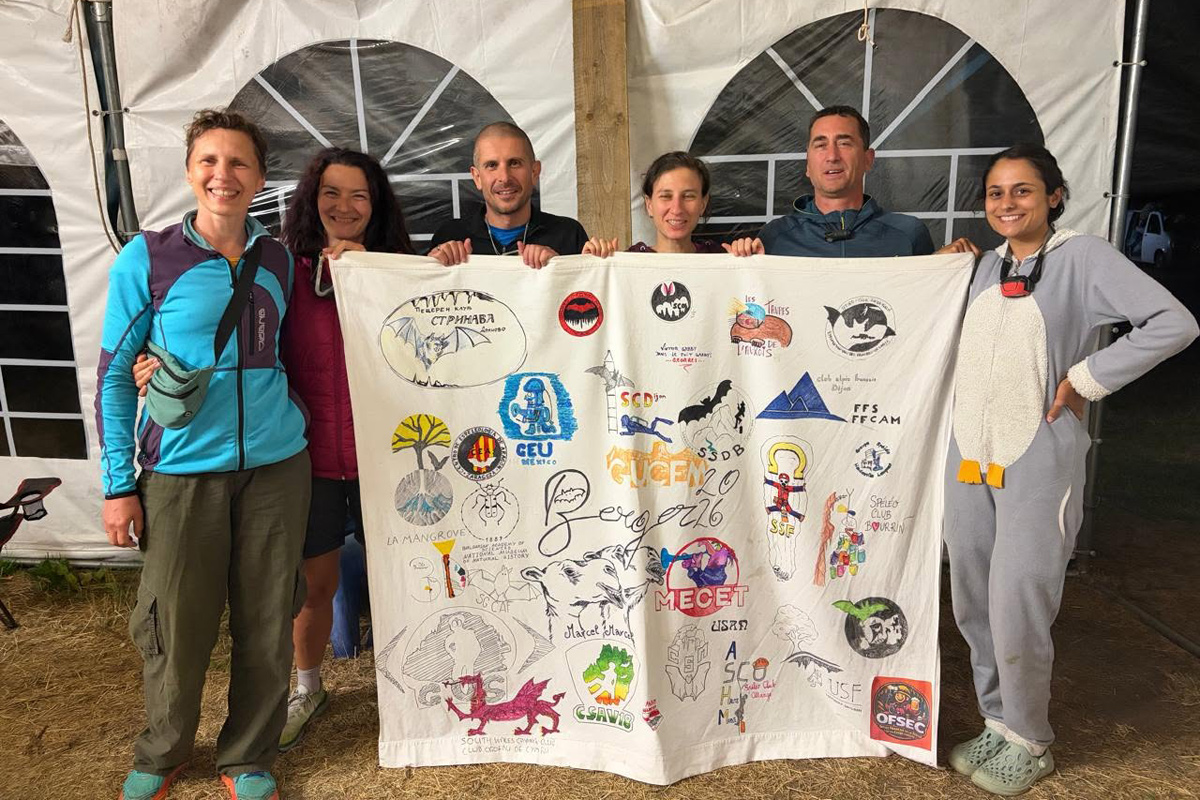
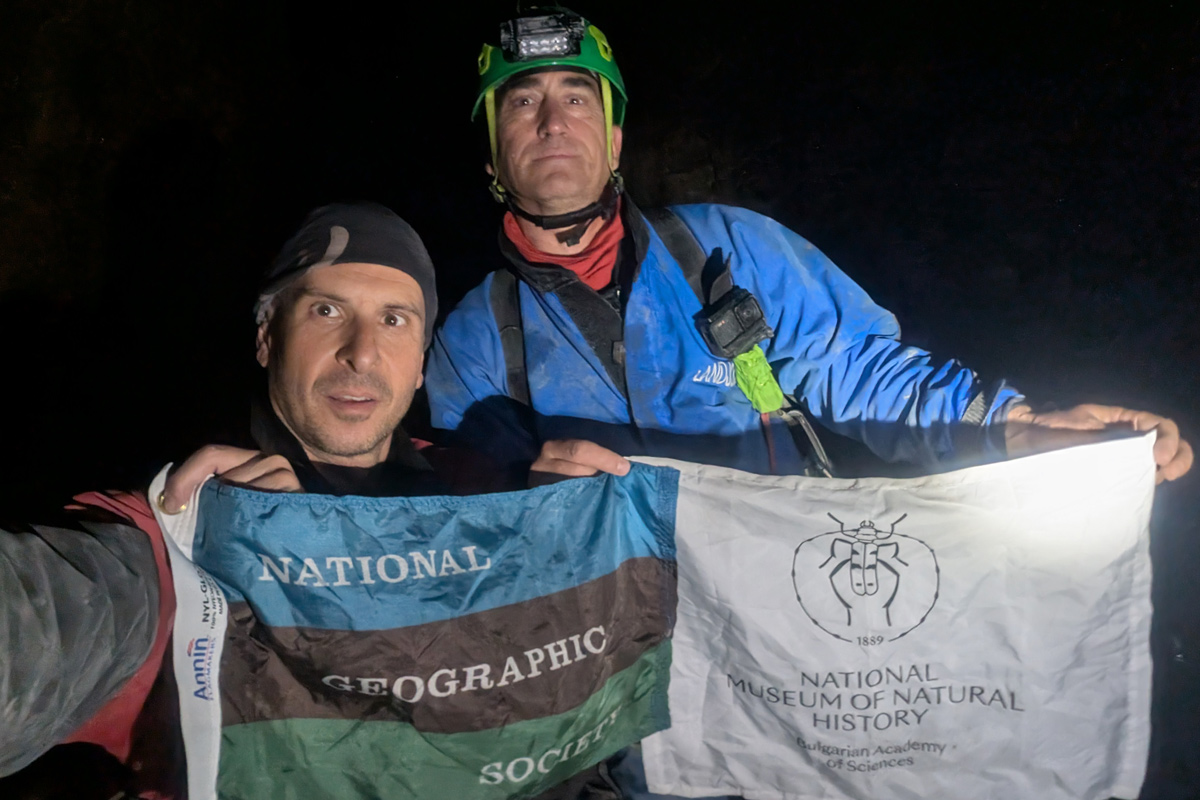
In August 2026, an international team led by Dr Violeta Zhelyazkova from the National Museum of Natural History, Sofiia (NMNHS) descended to a depth of 1258 m, reaching the bottom of Gouffre Berger in the French Alps. The cave is famous for being the first in which humans crossed the “magic” threshold of 1,000 metres below the surface. The expedition was part of the international “Camp Berger”, which for 15 years has brought together not only some of the best French cavers, but also speleologists and researchers from all over the world.
The team’s aim was to collect microbiological samples from the cave as part of the project “Pathogen Pollution in Caves — Causes and Methods of Prevention”, funded by the Bulgarian National Science Fund and the French Institute in Bulgaria. The team consisted of Dr Angel Ivanov (associate at NMNHS), Veselin Zhelyazkov (Burgas — NEPIAST Caving Club), Dr Julie Shapiro (France), Bogdana Vashchenko (Ukraine), and Deniz Duman (Turkey). Thirty-five volunteers from five countries also took part in the project.
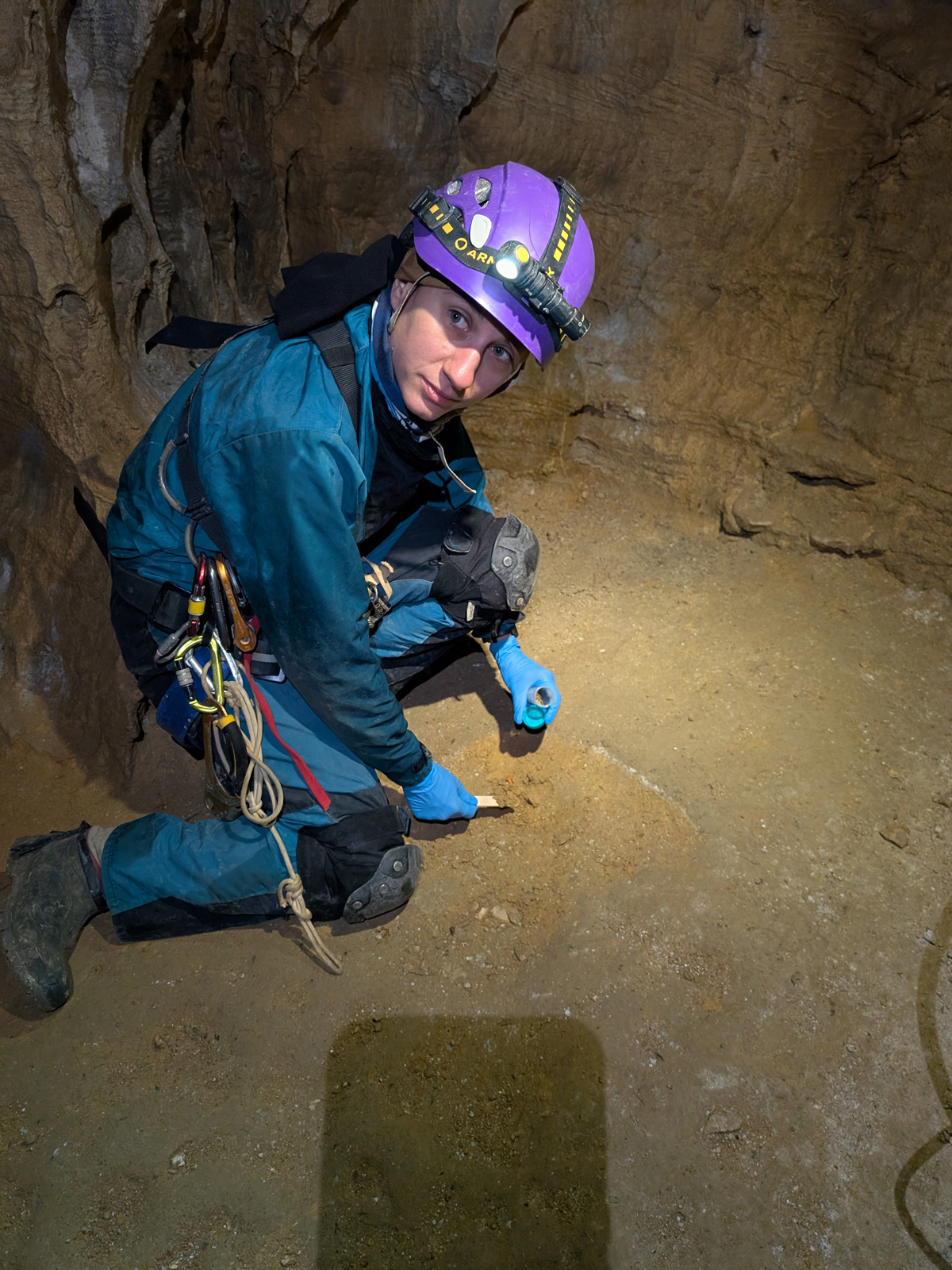
The team collected samples of cave substrate throughout Gouffre Berger, from the entrance all the way to the bottom — both from the main route, used by most cavers each year, and from side passages and rarely visited galleries, providing a glimpse into underground microbial communities in the absence of human activity.
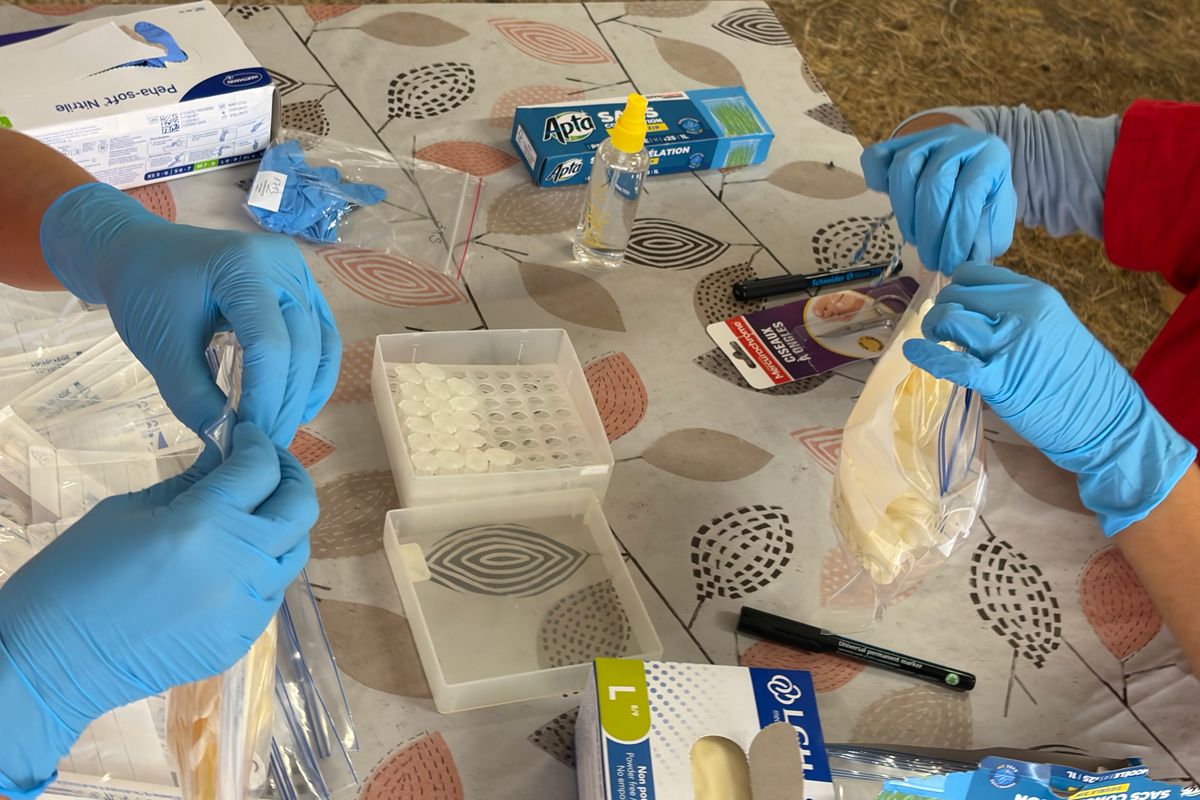
The team also collected samples from the caving equipment of volunteer speleologists before and after entering the cave. These samples will show whether microorganisms are introduced into the cave on caving equipment, as well as what part of Gouffre Berger’s microbial diversity is carried out of the cave on the same equipment. A total of 56 sets of samples were collected and are already being analysed in the museum’s laboratory.
Pathogen pollution is the unintentional human-mediated introduction of microorganisms into a new habitat that they would not have reached without human intervention. A classic example is white-nose disease in hibernating bat species, which has caused one of the largest wildlife disease-driven declines in modern history. Its causative agent, the cave-dwelling white-nose fungus (Pseudogymnoascus destructans), is native to Europe and Asia, where it does not cause the same mass mortality in bats, likely because of their long evolutionary history with the pathogen. In North America, however, the fungus was introduced only recently, most likely by cavers or cave tourists, and has proved deadly to native species that are not adapted to it. How this happened, and the discovery that there are in fact two species of white-nose fungus, were reported in the scientific journal Nature in 2025, in a study co-authored by Dr Zhelyazkova.
During the expedition, Dr Zhelyazkova conducted a series of training sessions for the cavers attending the camp on the prevention of pathogen pollution in underground ecosystems. The footage filmed during the expedition will be used to produce a short documentary for distribution throughout the international speleological community. Outreach work aimed at preventing pathogen pollution in underground ecosystems and encouraging environmentally responsible behaviour is also continuing in Bulgaria.
What risks — and what research opportunities — are hidden among the thousands of microscopic species inhabiting caves, and whether another, still unknown disease could follow in the footsteps of white-nose disease, are questions we hope the samples from Berger will help us answer.